Your Guide to Paper Packaging Solutions
Exploring the Ecological Consequences of Paper Bag Packaging compared to Plastic
The debate over paper versus plastic bags underscores considerable environmental concerns. Paper bags offer biodegradability and the potential for eco-friendly production. However, they also require significant energy and water during manufacturing. In contrast, plastic bags require less energy but result in persistent pollution. This complex interplay of factors raises critical questions about sustainability and consumer impact. What solutions can reconcile these competing interests?
The Production Procedure: Environmental Considerations
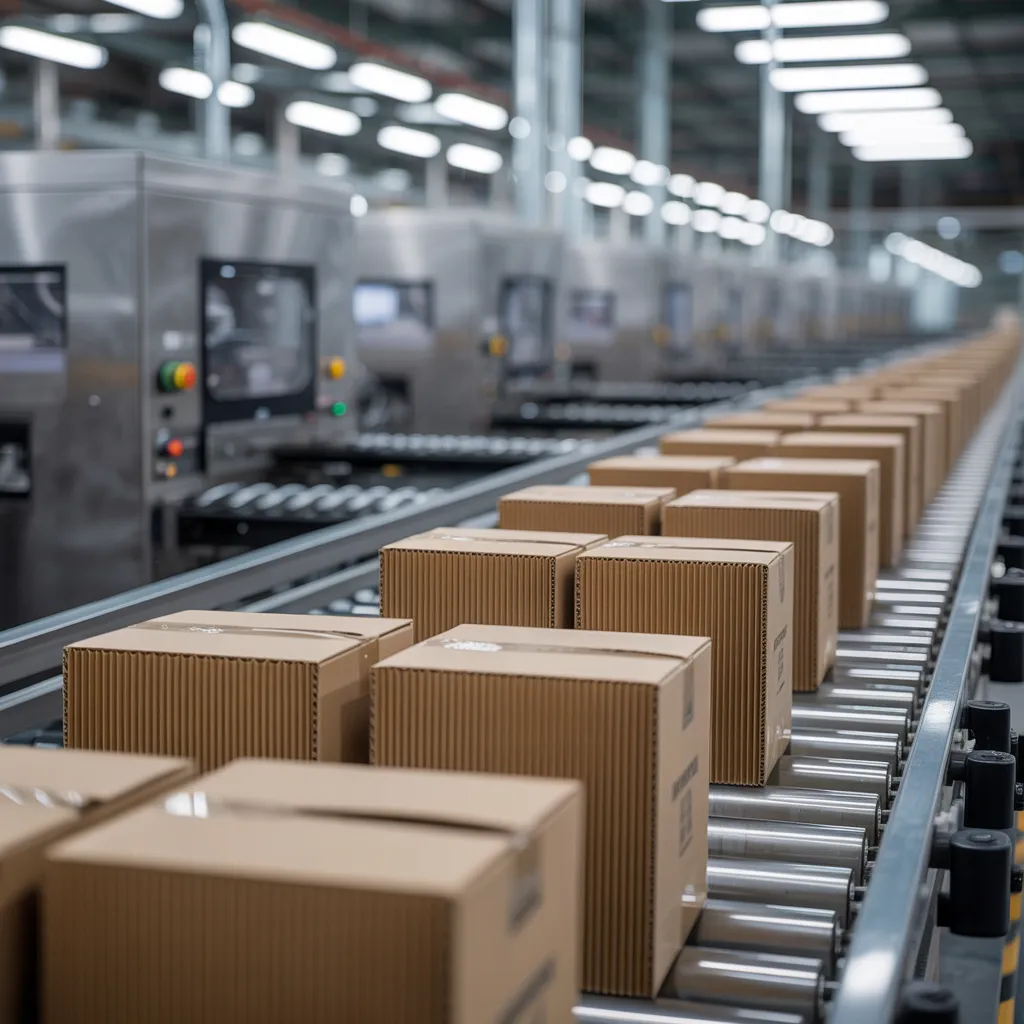
Although both paper and plastic bags carry out similar purposes, their fabrication processes notably differ, impacting the environment in diverse ways. Paper bags are generally manufactured from trees, demanding deforestation and water consumption, which can result in habitat loss and soil erosion. The method involves pulping and bleaching, often using harmful chemicals that can contaminate waterways. Alternatively, plastic bags are sourced from petroleum, a non-renewable resource. Their fabrication requires the extraction of fossil fuels, which can cause significant environmental degradation, including oil spills and greenhouse gas emissions.
Additionally, the manufacturing of plastic bags generally requires less energy when compared with paper, though the extraction and refining of fossil fuels can have detrimental effects. supporting information Both processes result in pollution but in different ways, highlighting the complexity of environmental considerations linked to each type of bag. Understanding these factors is crucial for consumers making eco-friendly choices.
Energy Consumption and Carbon Footprint
When evaluating the environmental impact of plastic and paper bags, energy consumption and carbon footprint appear as critical factors. The production of paper bags typically requires more energy when compared with plastic bags, chiefly due to the processes involved in harvesting trees, pulping, and manufacturing. This energy-intensive process generates a higher carbon footprint for paper bags, particularly when considering transportation emissions from sourcing raw materials.
Conversely, plastic bags, produced from petroleum-based products, typically have a lower initial energy requirement during production. Nevertheless, the extraction and refinement of fossil fuels significantly add to their overall carbon footprint.
It is critical to review the entire lifecycle of both materials, as energy consumption during fabrication, transportation, and potential disposal methods can greatly influence their environmental impacts. Comprehending these dynamics is essential for making educated choices regarding packaging options and their sustainability.
Waste Disposal and Biodegradation
The aspects of biodegradability and waste management serve as crucial elements when comparing paper and plastic bags, as their environmental impacts go further than production to their end-of-life scenarios. Paper bags are often touted for their biodegradability, decomposing naturally within months under the right conditions. Nevertheless, this process demands proper disposal methods, such as composting, which are not available everywhere. On the other hand, plastic bags can take several hundred years to decompose, posing significant long-term pollution problems.
Furthermore, inadequate plastic waste management results in widespread oceanic pollution and environmental litter, while paper bags, though easier to decompose, still consume resources during production and transportation. Recycling rates for both materials vary by region, affecting their overall effectiveness in waste management. Communities that give priority to composting and recycling can mitigate some of these effects, but without appropriate systems, both bag types pose environmental challenges that demand thorough attention.
Environmental Life Cycle Assessment: Paper or Plastic
A detailed life cycle assessment (LCA) indicates that both paper and plastic bags have separate environmental footprints from production to disposal. The production of paper bags commonly requires more water and energy, causing higher greenhouse gas emissions when compared with plastic bags. Nonetheless, paper bags are made from renewable resources, which can minimize some environmental concerns if sourced sustainably.
In contrast, plastic bags are produced with lower energy requirements but are derived from non-renewable fossil fuels, contributing to resource depletion and pollution. Their lightweight nature permits lower transport emissions.
When examining disposal, paper bags commonly biodegrade more readily, while plastic bags persist in the environment for many hundreds of years, posing enduring ecological threats.
In the end, the LCA emphasizes that both types of bags have significant environmental impacts that change depending on factors such as production techniques, usage frequency, and waste management procedures.
Consumer Patterns and Green Choices
How do purchasing decisions by consumers influence environmental sustainability? Consumers have a critical function in molding environmental outcomes through their buying choices. The desire for sustainable products, for example paper bags, commonly encourages manufacturers to implement eco-friendly practices. Studies show that when consumers give precedence to sustainability, businesses are more likely to innovate and provide environmentally responsible choices. However, the predominance of plastic packaging continues to challenge these efforts, as convenience typically trumps environmental considerations for most purchasers.
Additionally, customer understanding and information considerably impact behavior towards sustainable choices. Efforts championing the benefits of paper bags over plastic can result in increased acceptance and usage of greener alternatives. Ultimately, the collective choices of consumers drive market trends and foster the shift towards more sustainable practices. As individuals grow more informed about their environmental impact, their preferences can cultivate a culture of sustainability within the marketplace.
Common Questions
Are Paper Bags More Expensive Than Plastic Bags?
Paper bags are generally more expensive than plastic bags because of higher production costs. Nonetheless, prices can vary depending on material quality, supplier, and quantities purchased, influencing overall cost comparisons between the two options.
Do Paper Bags Carry More Weight Than Plastic Bags?
Paper bags generally have a lower weight capacity in comparison to plastic bags. While paper bags can support modest weights, plastic bags are usually designed to carry heavier loads due to their material durability and flexibility.
What Is the Storage Life of Paper Bags?
Paper bags will last in storage for a period ranging from several months to a few years, contingent upon conditions such as moisture levels and temperature. Properly stored, they continue to function, but extended moisture exposure may weaken their structural integrity.
Are There Biodegradable Plastic Bags Available?
Yes, biodegradable plastic bags are available, produced from materials formulated to disintegrate more quickly than regular plastics. Yet, the efficacy of their biodegradability often depends on specific environmental conditions during the processes of disposal and degradation.
What Are the Recycling Rates for Paper vs. Plastic Bags?
Recycling statistics for paper bags commonly span from 70% to 90%, while plastic bags have significantly lower rates, approximately 9%. This disparity highlights notable differences in the recycling infrastructure and consumer behavior linked to each material.